The Jakarta issue
Setu Babakan: The Betawi Village Inside the Megacity That Jakarta Forgot to Demolish
On the southern edge of Jakarta, a 289-hectare lakeside village still performs Betawi weddings, cooks kerak telor over coconut coals, and teaches the martial art hidden inside the ritual — proof the capital's indigenous culture never actually left.
By Tomé SoaresThe city read on foot, one kampung at a time
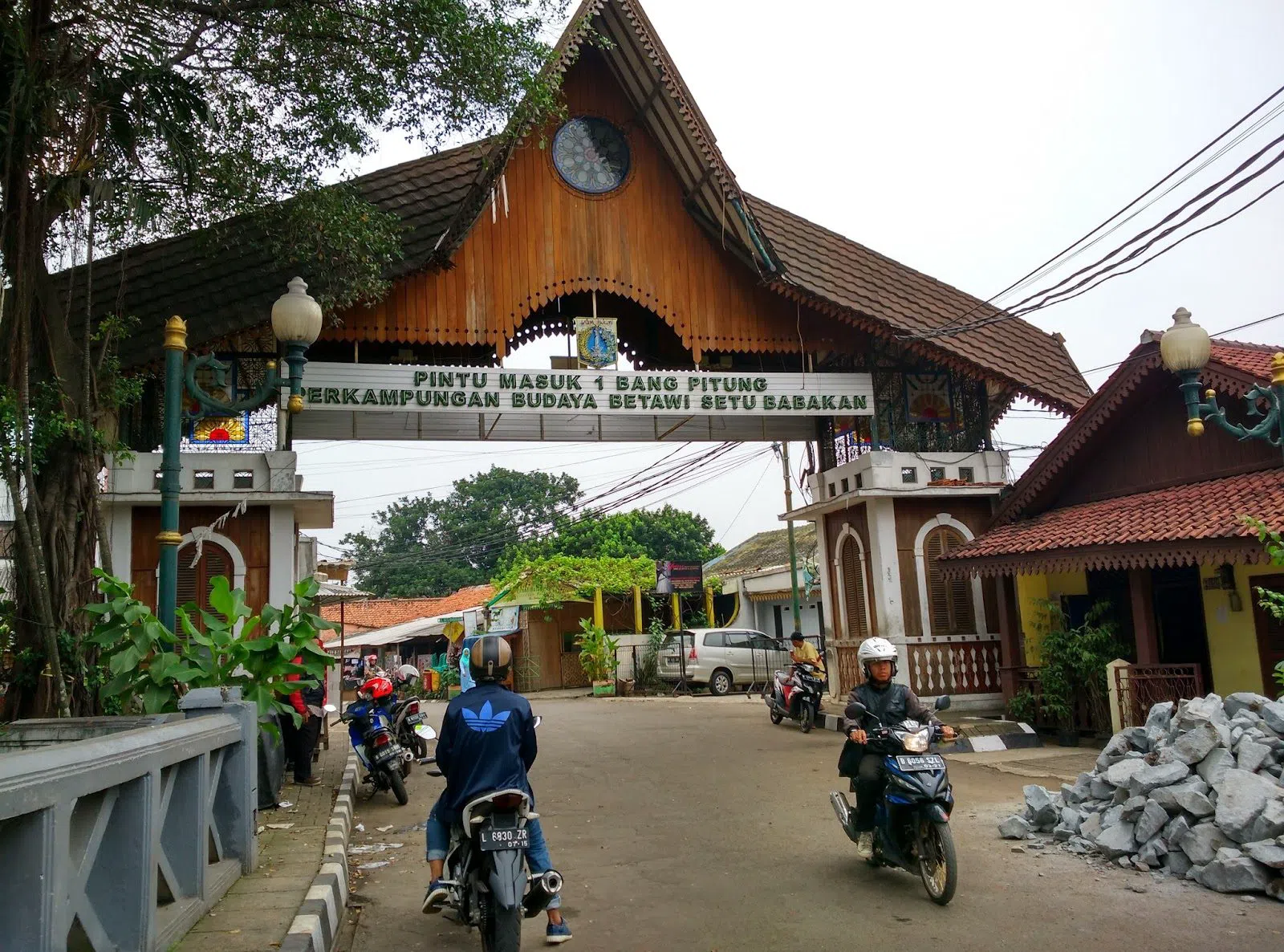
South Jakarta's toll roads run out of things to fly over and drop you, without much warning, at the edge of a lake ringed with palm-thatched roofs and drying batik cloth. The traffic noise doesn't vanish — this is still Jakarta — but it thins out enough that you notice fish traps in the shallows and an old man teaching a child to shave rattan. Fifty years of demolition orders have flattened most of what predates the Dutch in this city. Setu Babakan is the 289-hectare exception nobody quite got around to bulldozing, and it's still a working village, not a stage set.
The Village Around the Lake
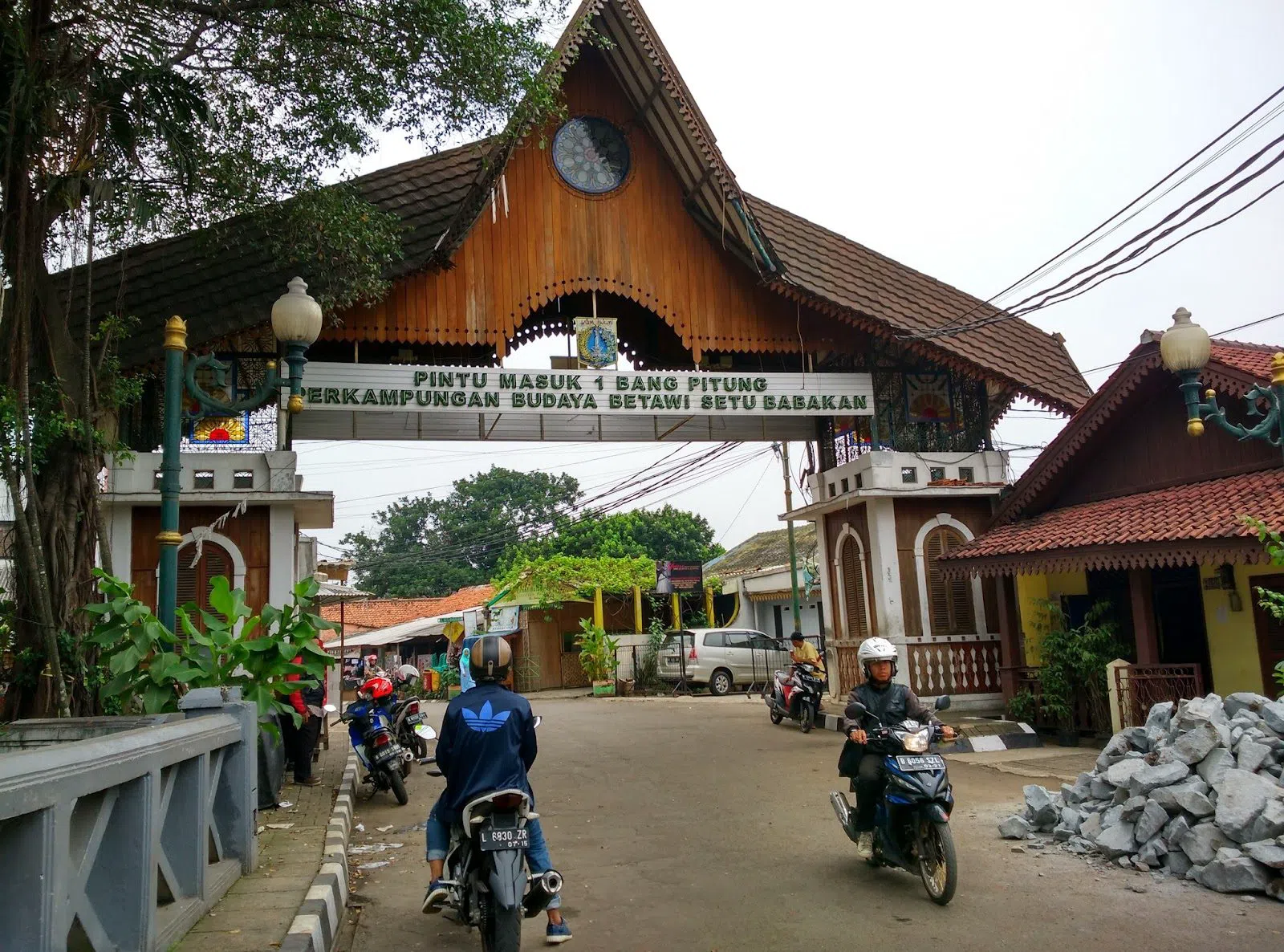
Setu Babakan Betawi Cultural Village (Jagakarsa, South Jakarta) is the anchor of any visit and the reason the area exists as a destination at all. General entry is free — you only pay for vehicle parking, and optionally for a slow lap of the lake by rowboat or pedal boat, which runs around Rp15,000 per person. The site is large enough, with a proper open-air stage and wide walking paths threading between the houses, that it copes easily with tour groups and school trips without feeling overrun; couples and solo travellers get the same paths to themselves on a quiet weekday morning.
What you're actually looking at is Rumah Kebaya architecture — the inland Betawi house style, raised slightly off the ground, with a distinctive veranda (teras) meant for greeting guests before they're invited further in, a holdover from a culture that took hospitality and its rituals seriously. Weekends bring scheduled performances on the main stage: palang pintu, the mock combat and pantun-verse ritual that precedes a Betawi wedding entrance; lenong, Jakarta's own bawdy folk theatre, part Malay opera and part street comedy; and tanjidor, the brass-band music that traces back to Portuguese and Dutch military ensembles the Betawi absorbed and made their own centuries ago. None of it needs advance booking. Check the schedule board near the main entrance when you arrive, since performance times shift by season.
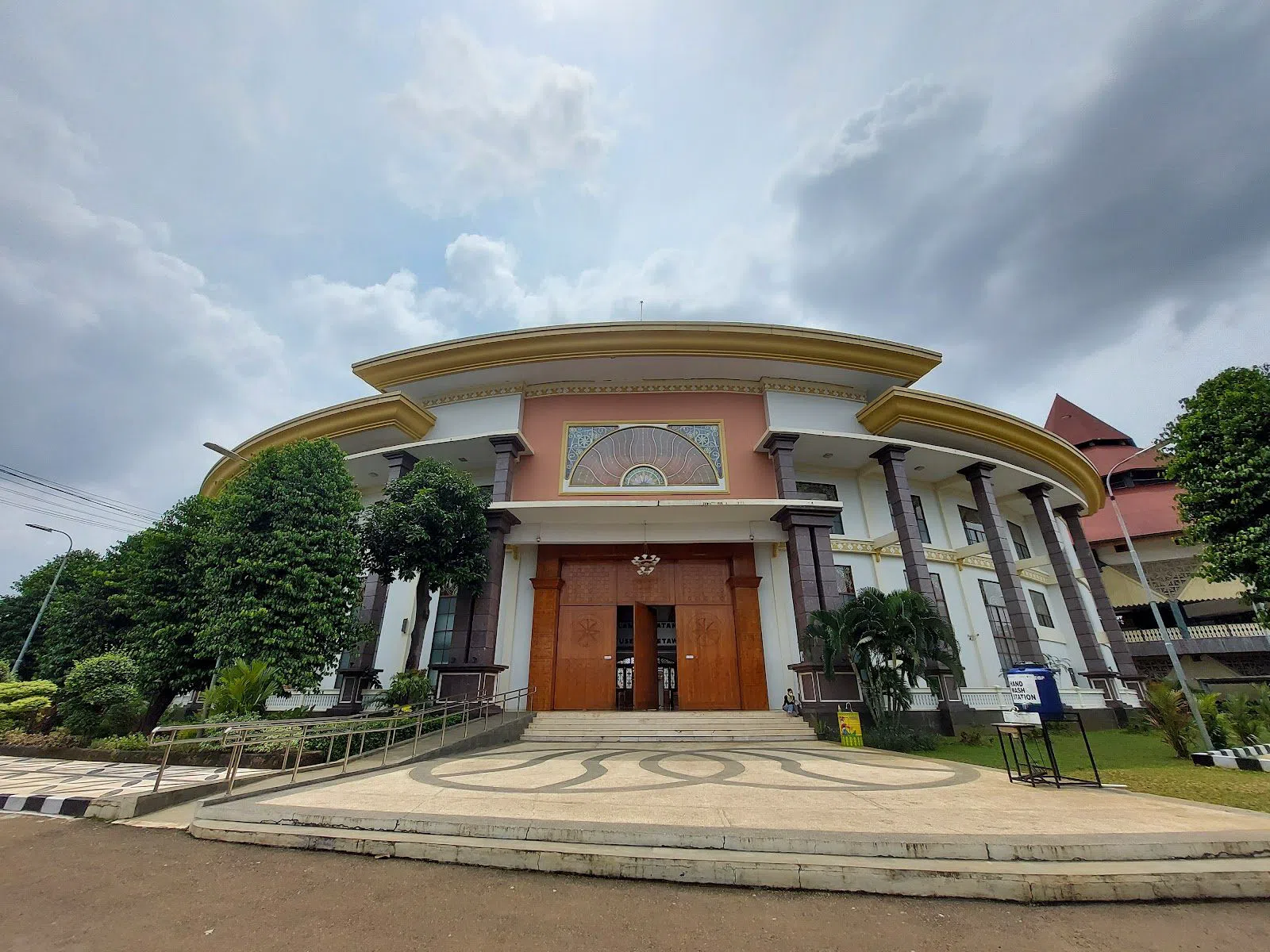
For the material culture the open-air houses don't hold, walk to Museum Betawi, the indoor building inside the same grounds. It's free, and the only formality is a simple sign-in form at the entrance — no timed tickets, no fuss, and it handles groups without difficulty. This is where the wedding costumes, the carved wooden dowry boxes, the household tools and the old photographs live, filling in what the lawns outside can only gesture at. It's closed Mondays and on public holidays, which is worth checking before you build a day trip around it, since Setu Babakan's outdoor areas stay open on those days even when the museum doesn't.
A practical aside: if you search for Setu Babakan's own website to check hours, be careful — the long-standing official domain has been hijacked and now redirects to a gambling site. Don't click it. The Jakarta city government's cultural office publishes current information on its own pages, and that's the more reliable route if you want to check anything before you go.
Plan your Jakarta trip
Live prices from our booking partners.
Free cancellation on many rooms. We may earn a commission when you book.
Weekend Only: Eating Kerak Telor As It's Meant to Be Made
The Setu Babakan Weekend Kuliner Row, the walk-up food stalls just off the village's main paths, is the best place in the city to eat kerak telor — the Betawi omelette of glutinous rice, egg and dried shrimp, finished with a scorched crust from a coconut-husk fire and topped with fried shallots and grated coconut. Expect to pay somewhere between Rp15,000 and Rp35,000 a dish, cash in hand, no menus to speak of.
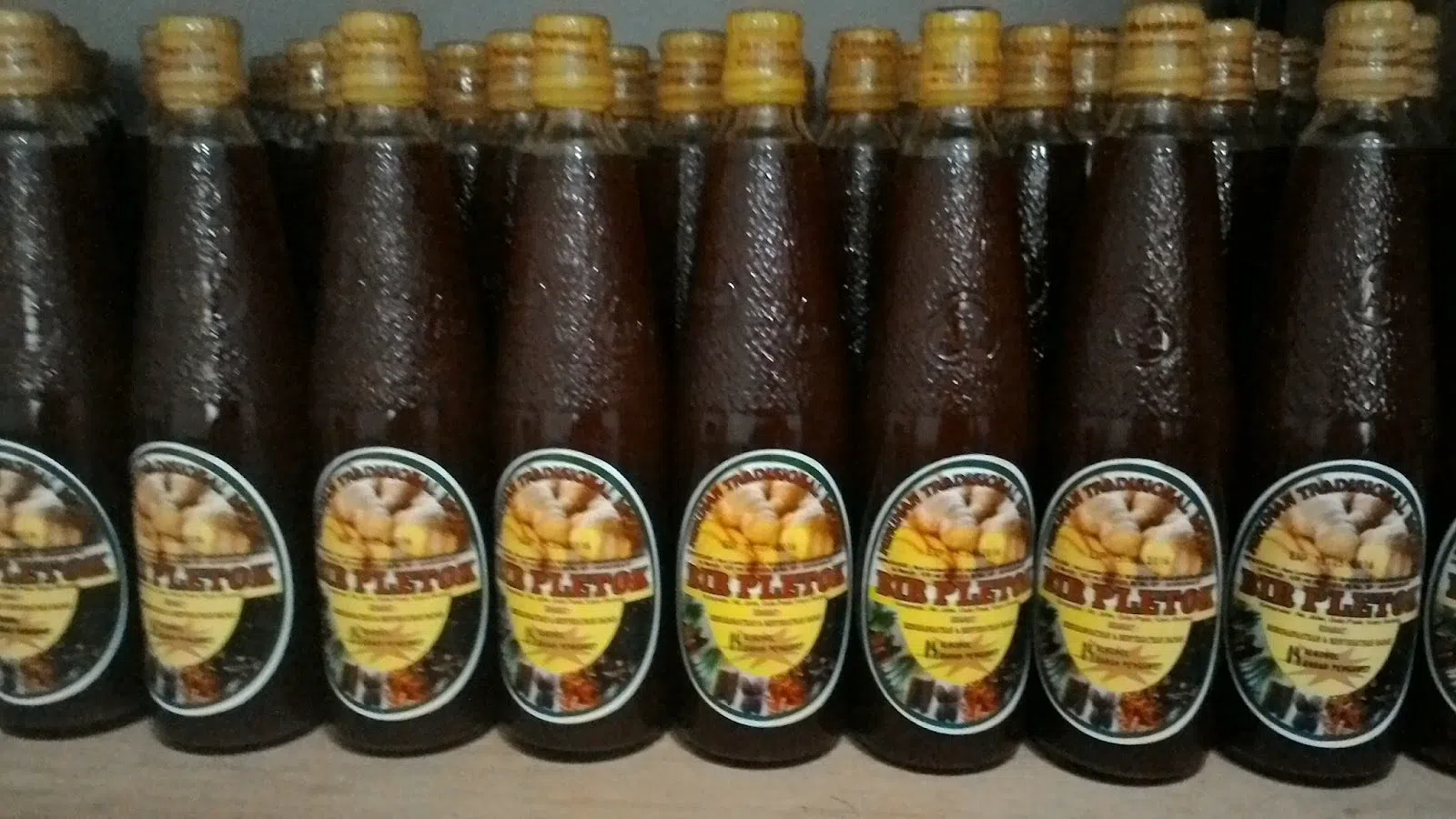
The honest caveat, and one worth building an itinerary around: the full stall lineup only comes out on Saturday and Sunday. Turn up on a Tuesday afternoon and you'll find the village itself open and pleasant, but the food row thin or partly shuttered. If eating kerak telor cooked properly, in front of you, over real coals, is the point of your visit — and it's a legitimate reason to come — plan for a weekend.
North to the Coast: The Village Before the Village
Most of what people mean by "Betawi culture" gets demonstrated at Setu Babakan, but the culture's oldest surviving physical evidence is a forty-minute drive north, on the Jakarta Bay coastline in Marunda. It's a genuinely different trip — further, quieter, and better suited to independent travellers or small groups than to coach parties — but it closes a gap that Setu Babakan, for all its scale, can't.
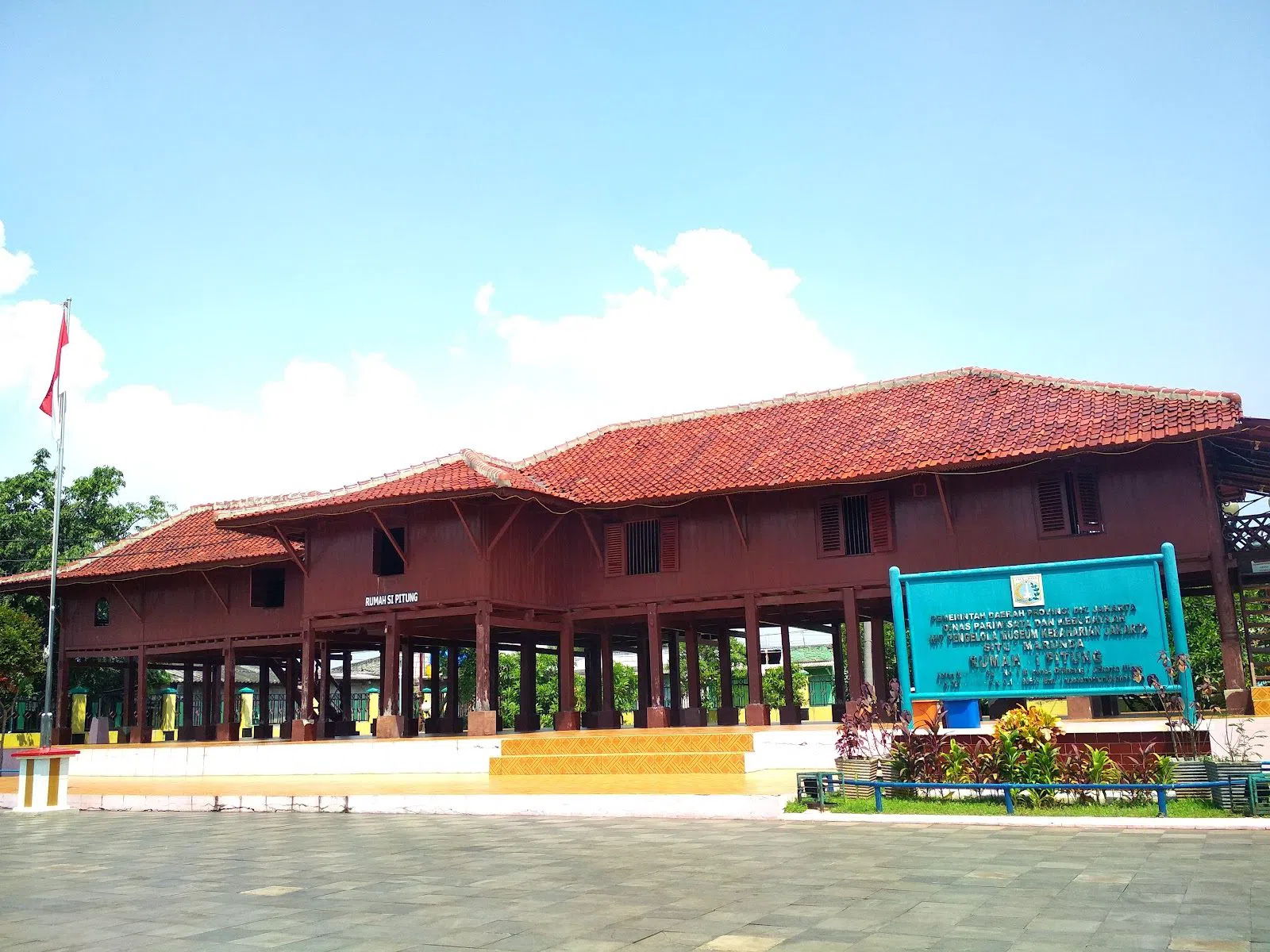
Rumah Si Pitung (also known as Museum Kebaharian Jakarta), in North Jakarta's Marunda district, is a small stilted house associated with a Betawi Robin Hood figure from the colonial period — part folk hero, part outlaw, the details blurred by more than a century of retelling. What matters architecturally is that this is coastal Betawi construction, raised high on stilts against tidal flooding, built from wood and woven bamboo rather than the brick-footed Rumah Kebaya style at Setu Babakan. Entry is Rp5,000 for adults and Rp1,500 for students, no advance booking needed, and it's open Tuesday to Sunday, 8am to 4pm — closed Mondays, same as Museum Betawi.
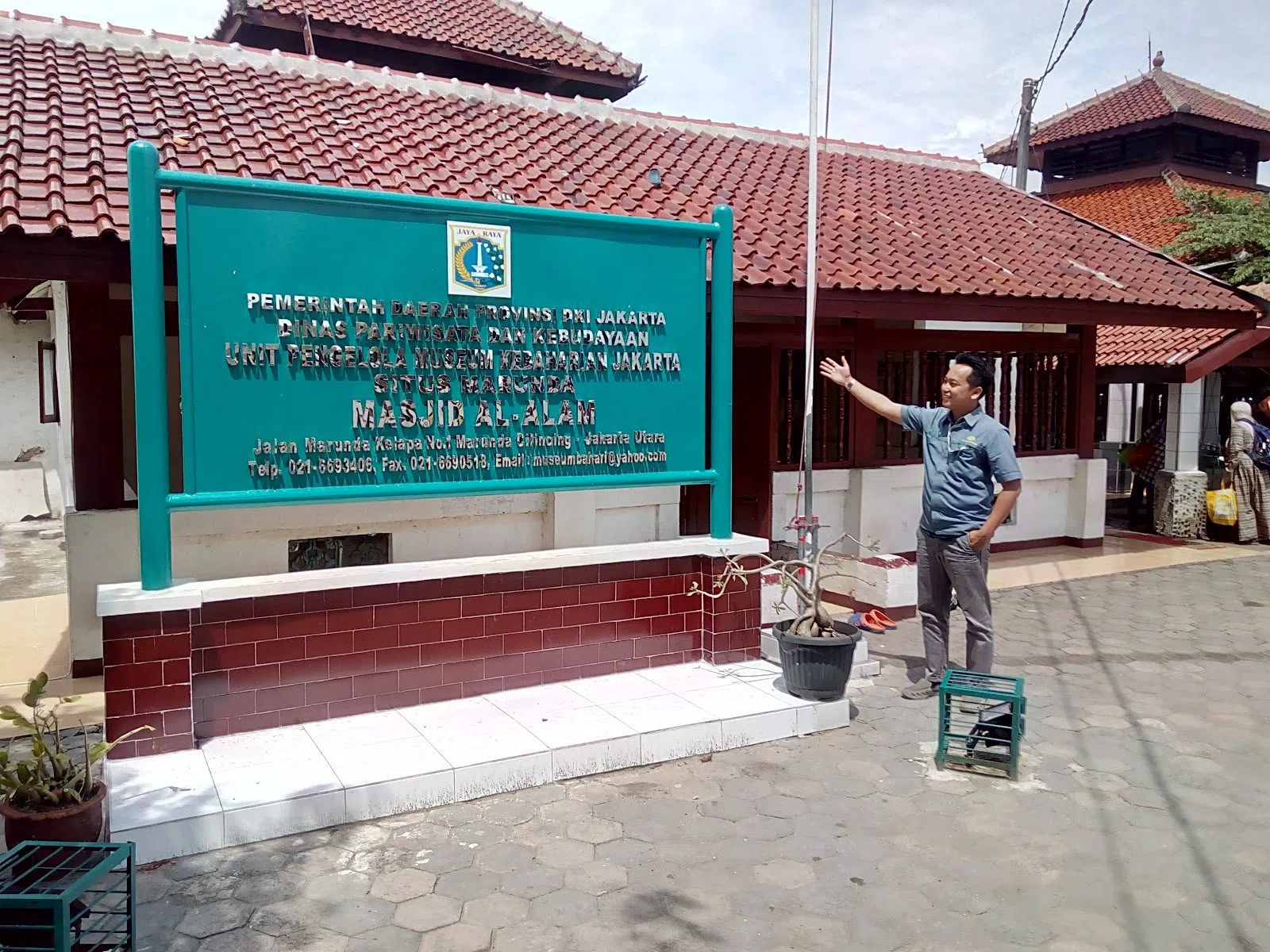
A short walk from the house, in the same Marunda district, is Masjid Al-Alam Marunda (Masjid Si Pitung), a mosque tied to the same folk-hero legend and, more importantly, one of the oldest structures on this stretch of coast — physical evidence that a distinct Betawi and Muslim coastal identity existed here well before the Dutch built Batavia a few kilometres inland. It's open 24 hours and free to enter; there's no formal dress-code enforcement, but ask locally before you go in with a camera, and dress modestly regardless. Pairing the mosque with Rumah Si Pitung makes for a compact, unhurried couple of hours — this isn't a stop that rewards rushing, and it isn't one that needs a group.
Where the Traditions Are Still Taught

Setu Babakan and Museum Betawi are both, in their way, places of display. Sanggar Rumah Baba, a Betawi martial arts and cultural studio, is where the display comes from — this is a working school where the palang pintu wedding ritual you might catch performed on Setu Babakan's main stage is actually taught, practised and passed down. It's free and open to the public, walk-ins are genuinely welcome, and training sessions run on Tuesday, Friday and Saturday. If you're bringing a group or want to watch a full session rather than just poke your head in, message ahead on WhatsApp (+62 857-1600-1317) — the instructors are used to visitors, but a heads-up means someone can actually explain what you're watching.
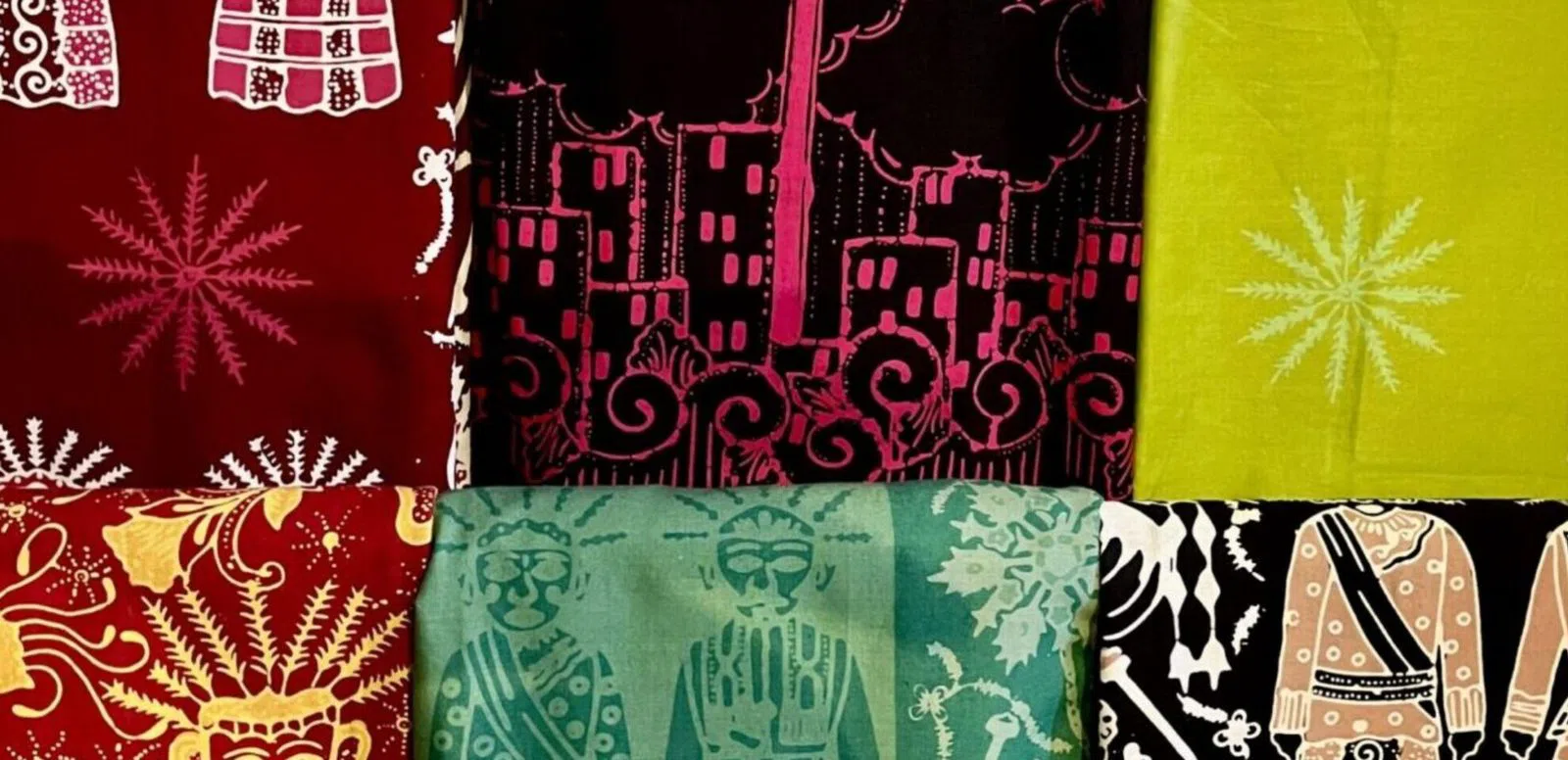
For a hands-on counterpart, Batik Betawi Terogong, a workshop and craft studio in Terogong, South Jakarta, is the one entry on this list where you make something rather than watch it. Betawi batik has its own motifs — distinct from the more famous batik traditions of Central Java, drawing instead on Jakarta's own folklore and flora — and the studio runs structured workshops that foreign visitors attend regularly, priced from around Rp35,000 up to Rp100,000 depending on what you're making. Groups should book via WhatsApp ahead of time; it isn't a walk-in operation in the way Setu Babakan's paths are.
If You Can't Make It South: The Betawi Pavilion at TMII
If your base is East Jakarta, or you're already planning a day at Taman Mini Indonesia Indah, the sprawling cultural theme park that represents all of Indonesia's provinces in miniature, you don't have to skip Betawi culture to fit it in. Anjungan DKI Jakarta, the Jakarta pavilion inside TMII, covers much of the same ground as Setu Babakan — Rumah Kebaya architecture, ondel-ondel, the whole visual language — in a single indoor-and-courtyard building, and its Blandongan Hall hosts scheduled Betawi stage performances of its own. TMII's gate entry runs Rp25,000 to Rp35,000, and the pavilion itself is free once you're inside the park. It handles tour groups and coach parties easily, being part of a much larger, purpose-built attraction. Treat it as a wet-weather backup or an East Jakarta convenience rather than a substitute for the lake — it's a well-made summary, not the real village.
Eating Betawi Beyond the Festival Stalls
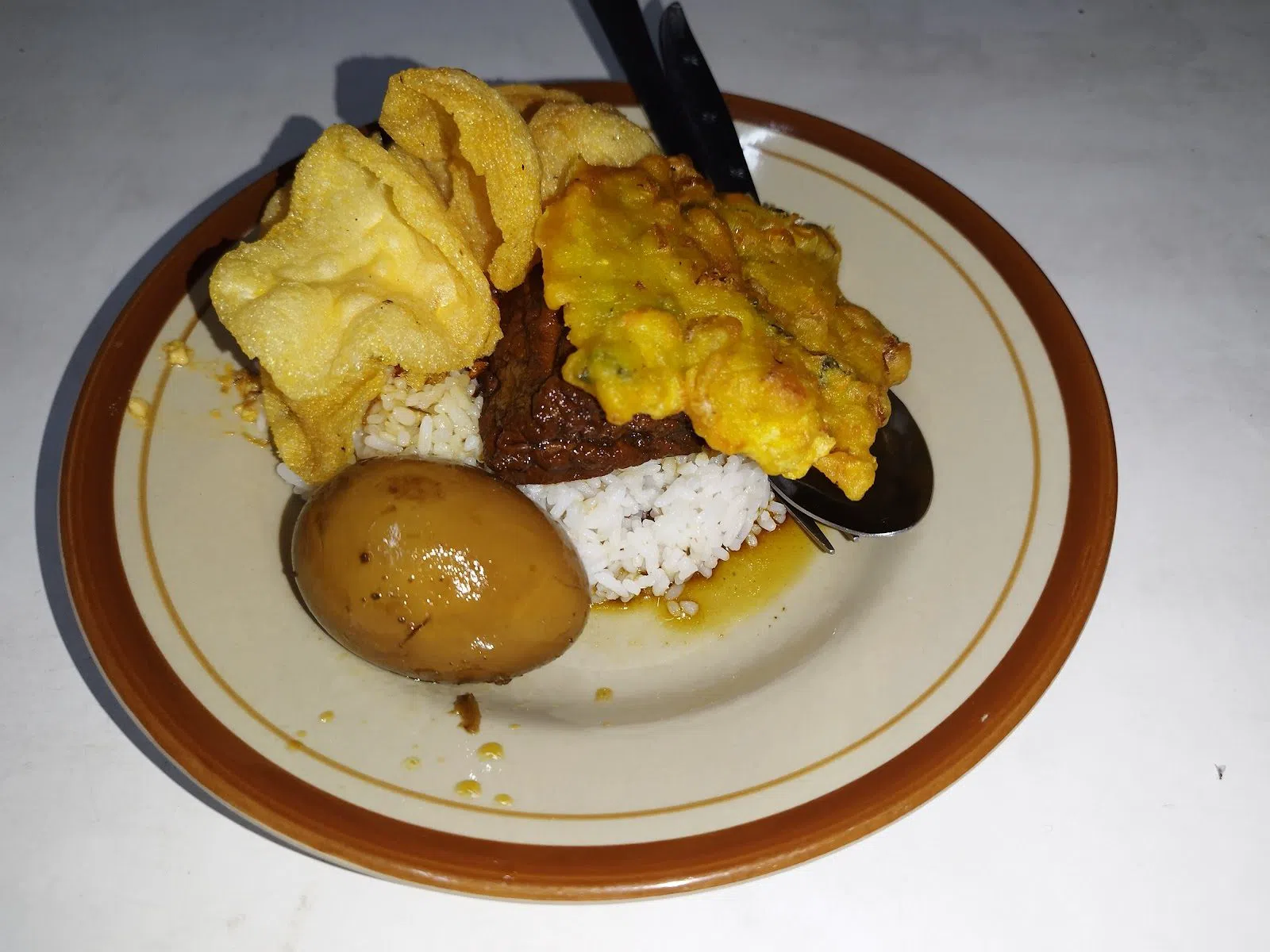
Kerak telor at Setu Babakan is a weekend, festival-adjacent experience. For the everyday version of Betawi food — what people actually eat on a Tuesday — head to a proper Betawi restaurant.
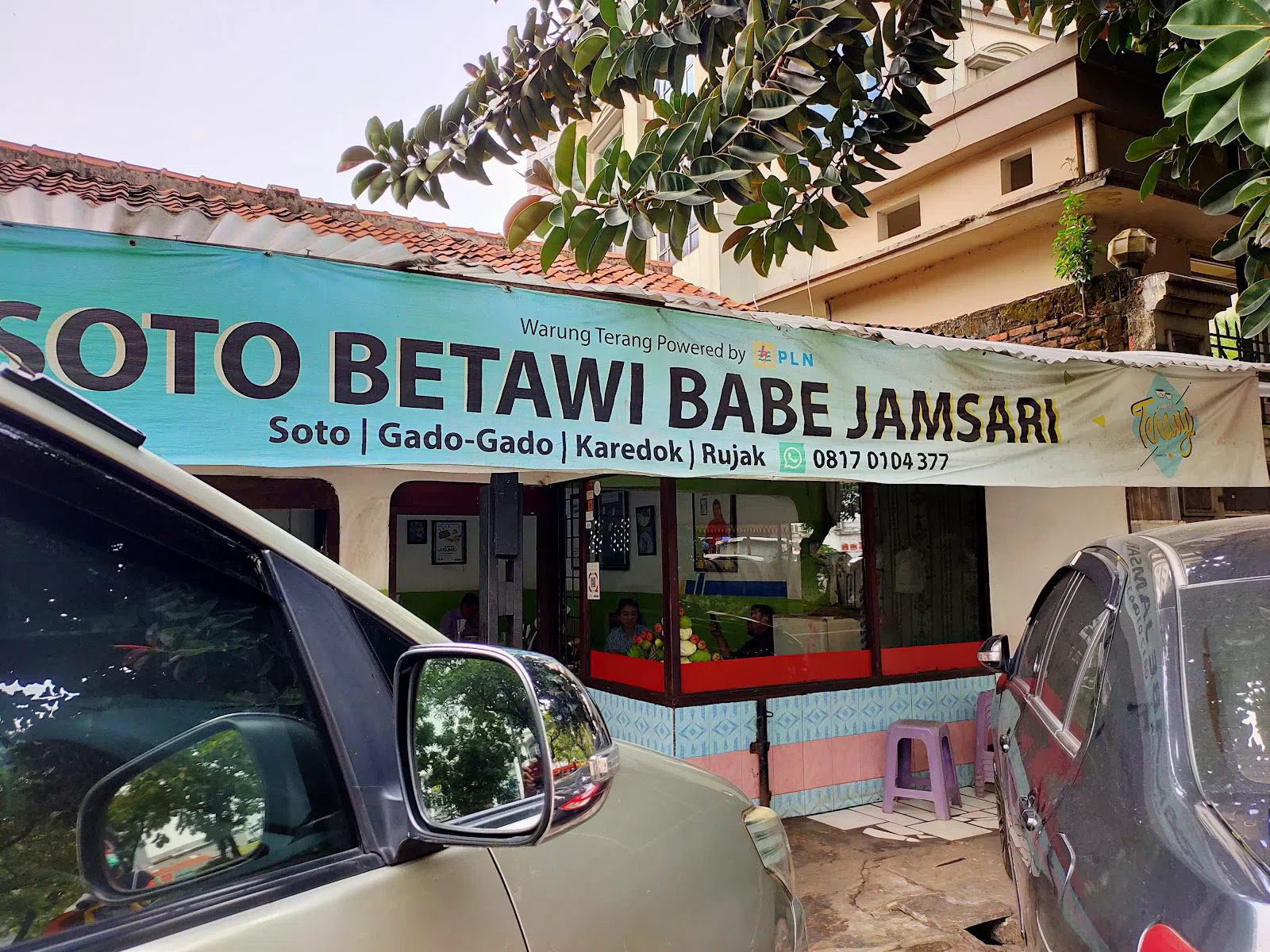
Soto Betawi Babe Jamsari, with branches in Meruya, Kebayoran Lama and Puri Indah, has been serving its beef and offal soup in a rich coconut-and-spice broth since 1975, and it's the benchmark bowl against which locals measure everyone else's soto Betawi. It's walk-in only, no reservations, casual seating that copes fine with a small group, and a bowl runs Rp28,000 to Rp35,000. The Meruya branch is open Monday to Saturday and closed Sundays, so check which branch is nearest before you go on a weekend.
Nasi Uduk Betawi Pondok Pinang, in Pondok Pinang, serves the other pillar of everyday Betawi eating: coconut rice, traditionally a breakfast dish here but eaten at any hour, plated with fried chicken, tempeh and sambal. The restaurant is explicitly built for rombongan — groups — with room to spread out, and it functions as a genuine neighbourhood institution rather than a tourist stop, which is exactly its appeal. A portion runs Rp15,000 to Rp30,000.
Planning the Trip
Getting there. Setu Babakan sits in Jagakarsa, South Jakarta, and is most reliably reached by ride-hailing app (Gojek or Grab) or private car; there's no direct MRT or TransJakarta corridor stop at the gate itself. Build in extra time for South Jakarta traffic, especially on weekend mornings when locals are heading the same way you are. Marunda, for Rumah Si Pitung and the mosque, is a separate trip north — treat the two as different half-days rather than trying to combine them.
Cash. Bring rupiah in small denominations. Kerak telor stalls, the boat rides, Rumah Si Pitung's entry fee and most of the restaurants on this list are cash-only or cash-preferred; card readers are not a given outside the TMII gate.
Timing. For the full Setu Babakan experience — performances scheduled, the kuliner row fully open — go on a Saturday or Sunday, and arrive by mid-morning before the day heats up and the paths fill with weekend crowds. If your only free day is a weekday, the village itself, the museum and the lake are still worth the trip; just don't expect the food stalls at full strength.
Budget. This is one of the cheapest serious cultural outings in the city. Setu Babakan itself is free bar parking and an optional boat ride; Museum Betawi is free; Rumah Si Pitung and the mosque together cost under Rp10,000 for two people; a proper meal at any of the restaurants above rarely exceeds Rp35,000 a head. A batik workshop is the single biggest line item, and even that tops out around Rp100,000.
Base yourself in South Jakarta and the whole loop — village, museum, food row — is a half-day without much transit overhead; add Marunda and the coastal sites and it's a full, unhurried day. For where to stay while you sort out the rest of the itinerary, this Jakarta hotel search covers the city broadly, and the wider Jakarta guide has the rest of what the capital offers beyond its Betawi heart.
Before you go
Is Setu Babakan free to visit?
Yes — general entry to the village is free; you only pay for vehicle parking and, if you want one, a boat ride on the lake (around Rp15,000 per person).
What day should I visit Setu Babakan?
Saturday or Sunday, if you want the full kerak telor stall lineup and the scheduled palang pintu, lenong and tanjidor performances; weekdays are quieter but the food row is thinner.
How do I get to Setu Babakan from central Jakarta?
Ride-hailing apps (Gojek or Grab) or a private car are the most reliable route — there's no direct MRT or TransJakarta stop at the gate, and South Jakarta traffic can add real time on weekend mornings.
Is Rumah Si Pitung worth the trip to Marunda?
If you want to see genuine coastal Betawi stilt architecture rather than the inland Rumah Kebaya style at Setu Babakan, yes — it's a separate half-day trip, best treated as its own outing paired with the nearby Masjid Al-Alam Marunda.
Can I watch or join Betawi cultural practice outside of performance days?
Yes — Sanggar Rumah Baba teaches the palang pintu wedding ritual on Tuesdays, Fridays and Saturdays and welcomes walk-ins, and Batik Betawi Terogong runs hands-on batik workshops by WhatsApp booking.